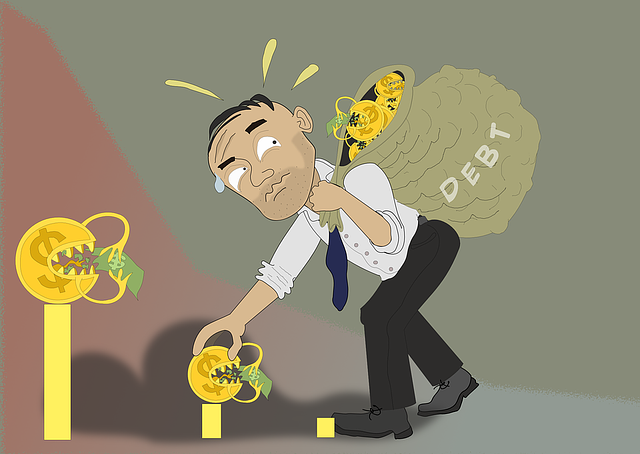
Car Title Loan Biweekly Payments: Unlocking Financial Access and Opportunities
Introduction
In today's fast-paced financial landscape, individuals often seek flexible and accessible credit options to meet their short-term cash flow needs. One innovative solution gaining traction is the concept of car title loan biweekly payments—a unique financing mechanism that allows borrowers to access funds secured by their vehicle's ownership title. This article delves into the intricacies of this alternative lending approach, exploring its definition, global impact, economic implications, technological advancements, regulatory framework, and future prospects. By understanding the dynamics of car title loan biweekly payments, individuals, policymakers, and financial institutions can make informed decisions regarding participation in this evolving sector.
Understanding Car Title Loan Biweekly Payments: Unlocking Liquidity
Definition:
Car title loan biweekly payments refer to a structured repayment plan where borrowers receive a lump-sum loan against the secured value of their motor vehicle's title. This alternative lending model offers flexible, short-term funding with manageable biweekly installment payments. Unlike traditional loans, the focus is on the car's residual value rather than the borrower's creditworthiness alone.
Core Components:
- Secured Lending: Borrowers grant a security interest in their vehicle's title to the lender, allowing them to retain possession of the vehicle while providing collateral for the loan.
- Lump-Sum Advance: Upon approval, lenders disburse a predetermined amount based on the car's appraised value and outstanding loan balance (if any).
- Biweekly Installments: Instead of monthly payments, borrowers make equal biweekly payments, typically including principal and interest, until the loan is fully repaid.
- Title Clearance: Once all repayments are completed, the lender releases the security interest in the vehicle title, returning it to the borrower.
Historical Context:
The concept of using a car's title as collateral for short-term loans has its roots in the early 20th century when auto-title lending emerged as a way to provide emergency funding to automobile owners. Over time, with technological advancements and changing consumer preferences, this lending model evolved into more sophisticated forms, incorporating digital platforms and biweekly repayment structures.
Significance:
Car title loan biweekly payments offer several advantages in the modern financial landscape:
- Accessibility: It provides credit access to individuals who may not qualify for traditional loans due to limited credit history or poor credit scores.
- Flexibility: The biweekly repayment schedule allows borrowers to manage their finances more effectively, aligning with typical pay cycles.
- Transparency: Lenders offer clear terms and conditions, ensuring borrowers understand the costs and implications of the loan.
- Quick Turnaround: Processed quickly, these loans can provide much-needed funds within a short time frame.
Global Impact and Trends
The global reach of car title loan biweekly payments has expanded significantly in recent years, with varying adoption rates across regions:
| Region |
Market Penetration (%) |
Regulatory Environment |
Key Trends |
| North America |
15-20% (Estimated) |
Strict regulations in some states; varying licensing requirements |
Increasing digitalization, online lenders gaining traction |
| Europe |
5-10% |
Diverse regulatory frameworks across EU member states; generally more stringent than US or Canada |
Growing interest from fintech startups, focus on consumer protection |
| Asia Pacific |
Emerging market with low penetration (1-3%) |
Varies by country; some countries have favorable policies for alternative lending |
Rapid adoption of digital technologies, mobile banking driving growth |
| Middle East & Africa |
8-12% |
Relatively lenient regulations; emerging as a hub for fintech innovation |
Increasing financial inclusion, particularly in urban areas |
International Influence:
- Financial Inclusion: In regions with limited traditional banking infrastructure, car title loans fill a gap, providing access to credit for unbanked or underbanked populations.
- Economic Stimulus: These loans can boost local economies by increasing consumer spending and supporting small businesses.
- Fintech Innovation: Global trends in fintech have led to the development of online platforms that streamline the loan process, making it more accessible and efficient.
Economic Considerations
Market Dynamics:
The car title loan market is characterized by:
- High Competition: Numerous lenders, both traditional banks and non-bank financial technology (fintech) companies, compete for customers.
- Seasonality: Loan demand tends to be seasonal, with peaks during certain times of the year (e.g., end of the fiscal year, holiday seasons).
- Digital Disruption: Online lenders have disrupted traditional models, offering faster processing times and more convenient services.
Investment Patterns:
- Private Equity and Venture Capital: Investors show interest in fintech startups that offer car title loan services, backing innovative business models and technology.
- Peer-to-Peer Lending: Some platforms facilitate peer-to-peer lending, connecting borrowers directly with investors, further diversifying the market.
- Regulatory Compliance: As regulations evolve, lenders invest in compliance infrastructure to ensure adherence to legal frameworks.
Economic Impact:
- Short-Term Financing: Car title loans cater to short-term financial needs, providing rapid access to capital for unexpected expenses or business opportunities.
- Multiplicative Effect: Spending by borrowers can have a multiplier effect on local economies, stimulating various sectors.
- Credit Score Improvement: Repaying these loans on time can positively impact borrowers' credit scores, improving their long-term financial health.
Technological Advancements
Digital Transformation:
- Online Platforms: Lenders have developed user-friendly online platforms that allow borrowers to apply for loans, check eligibility, and manage repayments digitally.
- Mobile Applications: Dedicated mobile apps enhance accessibility, enabling users to access loan services on the go.
- Blockchain Technology: Some providers explore blockchain for secure title registration, transparent transactions, and streamlined verification processes.
Data Analytics:
- Risk Assessment: Advanced data analytics helps lenders assess risk more accurately by analyzing borrower behavior, vehicle data, and market trends.
- Personalized Offers: Utilizing machine learning algorithms, lenders can tailor loan offers to individual borrowers' needs and preferences.
- Predictive Modeling: Predictive analytics aids in forecasting loan default rates, enabling proactive measures to mitigate risks.
Future Potential:
- Open Banking Integration: Seamless integration with open banking APIs could enable lenders to access customer data securely, improving decision-making.
- AI-Driven Customer Support: Artificial intelligence chatbots can provide instant support, answering borrower queries and offering personalized advice.
- Tokenization of Assets: Tokenizing vehicle titles on blockchain could enhance liquidity and enable fractional ownership models.
Policy and Regulation
The regulatory landscape surrounding car title loan biweekly payments varies widely across jurisdictions:
- Licensing and Registration: Lenders must obtain licenses or registrations from relevant financial authorities, adhering to specific criteria.
- Interest Rate Caps: Many regions impose caps on interest rates and fees to protect borrowers from excessive charges.
- Borrower Protection: Regulations often include provisions for transparent lending practices, fair collection procedures, and borrower education.
- Title Registration: Requirements for recording vehicle titles may differ, impacting the loan process and security interests.
Influence on Development:
- Fostering Innovation: Regulatory frameworks that encourage innovation while ensuring consumer protection have led to the emergence of more robust online lenders.
- Standardization: Standardized regulations across borders can facilitate cross-border lending and financial inclusion.
- Challenges: Inconsistent or overly stringent regulations may hinder market growth, particularly for smaller lenders.
Challenges and Criticisms
Despite its benefits, car title loan biweekly payments face several challenges and criticisms:
| Challenge |
Description |
| High-Interest Rates |
Critics argue that these loans carry excessively high-interest rates, trapping borrowers in a cycle of debt. |
| Predatory Lending Practices |
Some lenders may target vulnerable populations with unfair terms and hidden fees, leading to financial harm. |
| Title Clearance Delays |
In cases of default or dispute, clearing the vehicle title can take time, causing inconvenience to borrowers. |
| Limited Credit Access |
While aimed at providing access to credit, these loans may still exclude individuals with limited or no driving history. |
| Regulatory Uncertainty |
Evolving regulations can create uncertainty for lenders and borrowers, affecting loan availability and terms. |
Proposed Solutions:
- Transparency and Education: Enhance borrower education and provide clear, accessible information about loan terms and rights.
- Cap on Interest Rates: Implement interest rate caps to prevent excessive borrowing costs.
- Licensing and Oversight: Strengthen regulatory oversight and licensing requirements to weed out predatory lenders.
- Alternative Credit Scoring: Explore alternative credit scoring models that consider non-traditional data points to expand access for underbanked individuals.
- Technology-Driven Solutions: Utilize technology to streamline title clearance processes, reduce costs, and enhance transparency.
Case Studies: Successful Implementations
Case Study 1: USA - Online Lender X
Online Lender X, a pioneer in digital car title loans, has achieved significant success by addressing common pain points in the traditional lending process. Their platform offers:
- Quick Approvals: Within minutes of applying, borrowers receive loan approvals, providing rapid access to funds.
- Competitive Rates: Transparent pricing with fixed rates and no hidden fees ensures affordability.
- Flexible Repayments: Biweekly repayments aligned with paydays ensure manageable cash flow for borrowers.
- Strong Customer Support: AI-powered chatbots provide instant support, while a dedicated team assists with complex queries.
Key Takeaways:
- Digital innovation is key to streamlining the lending process and enhancing customer experience.
- Transparent pricing and flexible repayment plans can foster trust and encourage positive borrower behavior.
Case Study 2: UK - Fintech Startup Y
Fintech startup Y, based in London, has carved a niche for itself by focusing on underserved populations. Their approach includes:
- Community Outreach: Partnering with local community organizations to educate and serve underbanked individuals who lack traditional financial services.
- Digital Inclusion: Utilizing mobile-first banking solutions to cater to borrowers without access to traditional bank accounts.
- Customized Loan Plans: Offering flexible loan amounts and terms tailored to individual needs, from small business funding to unexpected expenses.
Lessons Learned:
- Targeted marketing and community engagement can effectively reach and serve underserved populations.
- Customizable loan products cater to diverse customer segments, fostering loyalty and positive word-of-mouth.
Future Prospects
The car title loan biweekly payments sector is poised for continued growth and evolution:
- Geographic Expansion: Emerging markets with growing digital penetration and limited financial infrastructure present significant opportunities.
- Technological Advancements: Integration of AI, blockchain, and open banking will further enhance efficiency, security, and personalization.
- Regulatory Harmonization: Standardized regulations across borders could facilitate cross-border lending and expand access to credit globally.
- Alternative Credit Scoring: The adoption of alternative data analytics for credit scoring may enable more inclusive lending practices.
- Sustainability Focus: Lenders may explore eco-friendly initiatives, such as offering incentives for energy-efficient vehicle purchases.
Conclusion: Navigating the Future of Car Title Loans
Car title loan biweekly payments represent a dynamic and evolving segment within the alternative lending landscape, offering accessible and flexible financial solutions. As technology advances, regulatory frameworks mature, and consumer expectations shift, this sector will continue to play a vital role in supporting individuals and businesses with short-term financing needs. By addressing challenges, embracing innovation, and ensuring responsible lending practices, car title loan biweekly payments can unlock financial access and contribute to economic growth worldwide.
FAQ Section: Answering Common Questions
Q: How does the process of applying for a car title loan biweekly payment work?
A: Borrowers typically start by filling out an online application with basic information. Lenders then assess eligibility, appraise the vehicle, and provide a loan offer. Once accepted, borrowers sign the agreement and receive funds, making biweekly repayments until the loan is repaid.
Q: Are there any risks associated with taking out a car title loan?
A: Yes, as with any loan, there are risks. Key considerations include high-interest rates, potential for default leading to vehicle repossession, and negative impact on credit scores. Borrowers should thoroughly understand the terms and consider their ability to repay.
Q: Can I use my car title loan for any purpose?
A: Lenders typically specify eligible use cases, which may include emergency expenses, small business funding, or vehicle repairs. Illegitimate use or non-repayment can lead to legal consequences.
Q: How does the interest rate on a car title loan compare to other short-term loans?
A: Interest rates can vary widely but are generally higher than traditional bank loans due to the secured nature of the loan and risk factors. Online lenders often advertise competitive rates, but borrowers should always compare offers before finalizing.
Q: What happens if I miss a biweekly repayment?
A: Missed or delayed payments may incur late fees and could impact the borrower's credit score. Lenders typically have policies in place for handling defaults, which may include repossession of the vehicle title. It is crucial to stay on top of repayments to avoid such consequences.